As Riverdale continues to grow, residents find xeriscape services near me themselves increasingly concerned with water conservation, sustainability, and the aesthetics of their outdoor spaces. The choice between xeriscaping and traditional landscaping can significantly impact these factors. Each approach offers distinct benefits and challenges that are worth exploring.
Understanding Xeriscaping
Xeriscaping is a landscaping method designed specifically for arid or semi-arid climates. This approach emphasizes using drought-resistant plants, efficient irrigation techniques, and soil management practices to minimize water usage while maintaining a lush appearance. For Riverdale residents, where summers can be hot and dry, xeriscaping presents a practical solution.
At its core, xeriscape design focuses on selecting native plants that thrive in local conditions. These plants usually require less water than their non-native counterparts. Incorporating elements such as rock gardens, mulch beds, and efficient irrigation systems ensures that the landscape remains vibrant without excessive watering.
Key Principles of Xeriscaping
Planning and Design: Effective xeriscaping begins with a thoughtful plan tailored to the specific site conditions. This includes assessing sunlight patterns, soil types, and existing vegetation.
Soil Improvement: Healthy soil is essential for plant growth. Techniques such as adding organic matter can enhance soil structure and moisture retention.
Plant Selection: Choosing drought-tolerant plants is critical. Many native species are resilient against local pests and diseases while requiring minimal care.
Efficient Irrigation: Utilizing drip irrigation or smart controllers reduces water waste by delivering moisture directly to the roots.
Mulching: Applying mulch helps retain soil moisture, suppress weeds, and regulate soil temperature.
The initial investment in xeriscaping might be more substantial compared to traditional landscaping due to the need for quality materials and professional expertise. However, over time, homeowners can expect reduced water bills and lower maintenance costs.
The Traditional Approach
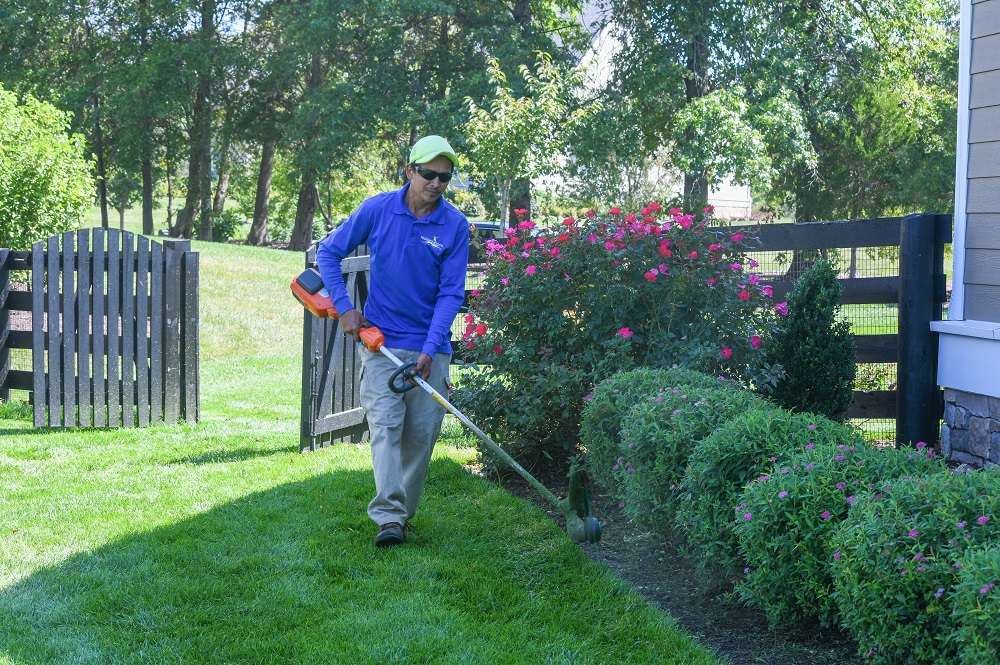
Traditional landscaping often emphasizes lush lawns filled with non-native plants that require regular watering and maintenance to thrive. For many years, this has been the standard practice in residential areas across Riverdale. Homeowners typically turn to professional landscape designers who create intricate designs featuring vibrant flower beds and expansive green lawns.
While traditional landscaping may offer immediate visual appeal, it comes with several drawbacks:
- Water Dependency: Established lawns often need constant watering during dry spells. Higher Maintenance Costs: Regular mowing, fertilizing, and pest control can add up financially. Environmental Impact: Non-native plants may require chemical treatments that could harm local ecosystems.
Despite these challenges, many residents find comfort in traditional landscapes because of their familiarity or aesthetic preferences.
The Trade-Offs
Choosing between xeriscaping and traditional landscaping involves weighing various factors including environmental impact, aesthetic preferences, long-term costs, and maintenance requirements.
Water Conservation
One of the most compelling reasons to consider xeriscaping is its ability to conserve water—an increasingly precious resource. In Riverdale's climate where droughts can occur periodically, reducing reliance on irrigation systems becomes crucial not only for individual homeowners but also for community-wide efforts towards sustainability.
Conversely, traditional landscapes typically rely on consistent watering schedules which can strain local water supplies during peak demand periods in summer months.
Aesthetics vs Functionality
Aesthetic preferences vary widely among homeowners; some prefer the manicured look of a traditional yard while others are drawn to the rustic beauty of a xeriscaped garden filled with native flora. Xeriscape gardens may initially appear less vibrant than a well-tended lawn but often evolve into unique ecosystems that attract wildlife such as birds and beneficial insects.
Functionally speaking however, xeriscaped yards tend to require less upkeep than their traditional counterparts since they are designed around low-maintenance principles.
Long-Term Costs
While initial installation costs for xeriscaping may exceed those of conventional landscaping due to specialized plant selections or design services from a professional xeriscape designer or licensed landscape contractor, long-term savings in water bills coupled with reduced maintenance expenses make it an attractive option over time.
Traditional landscapes may seem cheaper upfront but could lead homeowners into ongoing financial commitments through higher utility bills along with routine yard care services year-round.
Local Considerations for Riverdale Residents
When deciding between these two options as a Riverdale resident it is critical not only to think about personal preference but also about how each method aligns within broader community goals surrounding sustainability efforts—or how they fit into zoning regulations that encourage responsible land use practices across neighborhoods.
Working with local experts from reputable landscape design services near you can provide insights tailored specifically toward your property’s needs while considering best practices suited for our region’s climate conditions—whether you lean toward xeriscape services or favor more traditional approaches based on what fits your lifestyle best!
Finding Professional Help
For those interested in making the transition toward sustainable landscaping solutions like xeriscaping there are numerous resources available locally:
- Engage with licensed landscape contractors who specialize in sustainable landscapes. Consult professional landscapers experienced in both styles so they can help guide decisions based on individual property characteristics. Look out for workshops hosted by local gardening clubs or municipal programs focusing on eco-friendly practices within urban settings—these events often provide valuable networking opportunities among like-minded neighbors!
Making an Informed Decision
Ultimately choosing between xeriscaping versus traditional landscaping hinges upon various considerations including environmental impact preferences regarding aesthetics cost-effectiveness maintenance capabilities—and even compliance with community standards surrounding responsible land stewardship practices within our shared urban environment!
Many residents have found success blending aspects from both styles creating hybrid designs that meet aesthetic desires while remaining mindful of ecological principles fostering biodiversity promoting resilience against climate fluctuations affecting our region today—and into tomorrow!
By understanding these differences clearly informed homeowners can confidently create outdoor spaces that reflect personal tastes align seamlessly with broader sustainability objectives enhancing quality living experiences throughout beautiful Riverdale!